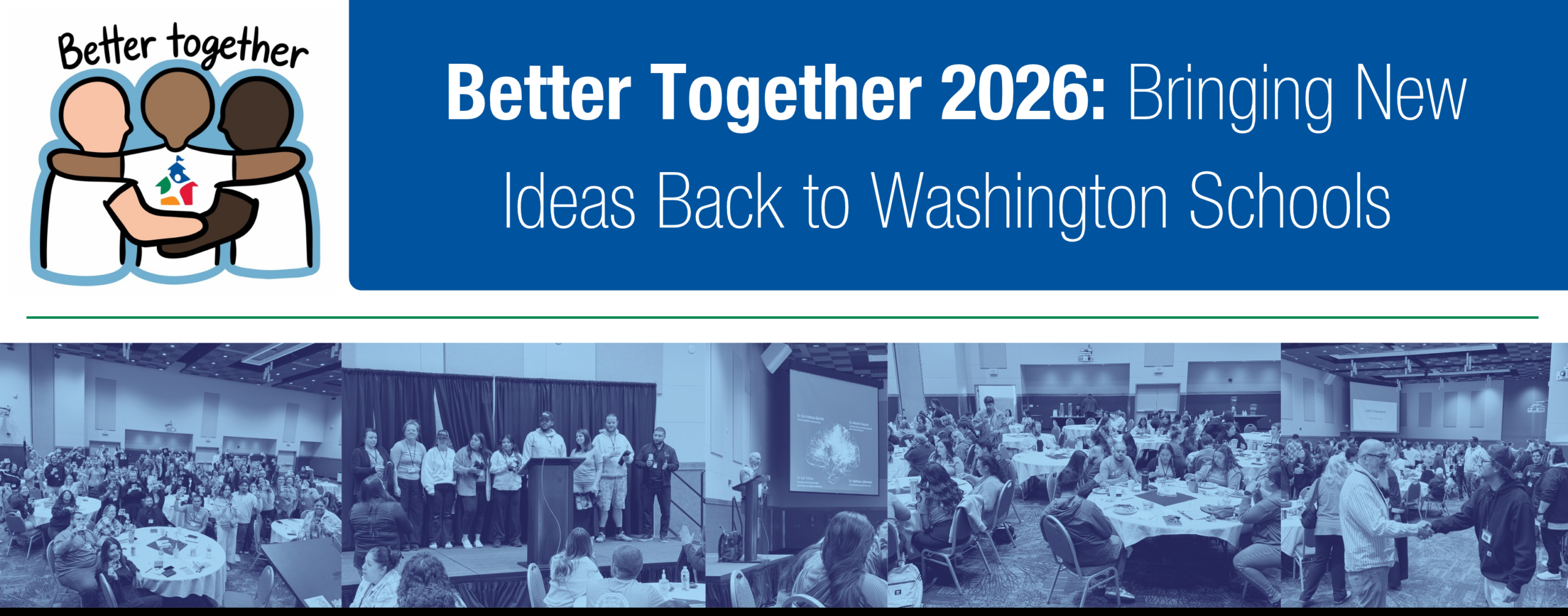
At a grade-level roundtable during this year’s Better Together Conference, Communities In Schools (CIS) Site Coordinators from across Washington shared challenges they were working through in their schools. As each person spoke, colleagues offered strategies they had tried, discussed what worked, and helped one another think through next steps.
“Each person had advice to give!” one attendee shared in the post-conference survey.
Conversations like these took place throughout the two-day gathering, giving CIS professionals time to compare experiences and learn how colleagues in other communities approach their work.
On October 28–29, nearly 150 Site Coordinators and team members from across the state gathered at the Wenatchee Convention Center for the 2026 Better Together Conference. Hosted by the Communities In Schools of Washington (CISWA) State Office, the annual gathering combined professional development, peer-led discussions, and opportunities for staff to connect with colleagues from other affiliates.
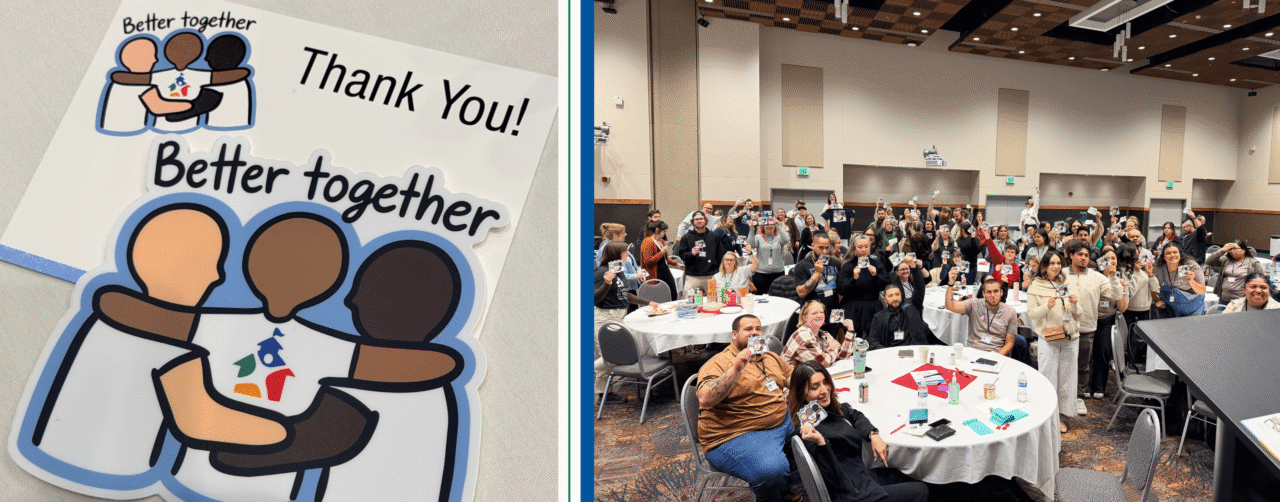
Finding Community Across Washington
A CIS Site Coordinator’s school day can take many directions. They may begin the morning helping a student through a difficult situation, spend lunch connecting a family with resources, and finish the afternoon meeting with school staff about attendance or student support plans.
In many schools, they are the only CIS employee in the building.
That can make it difficult to find someone who understands the full scope of their responsibilities. At Better Together, those colleagues were just a conversation away.
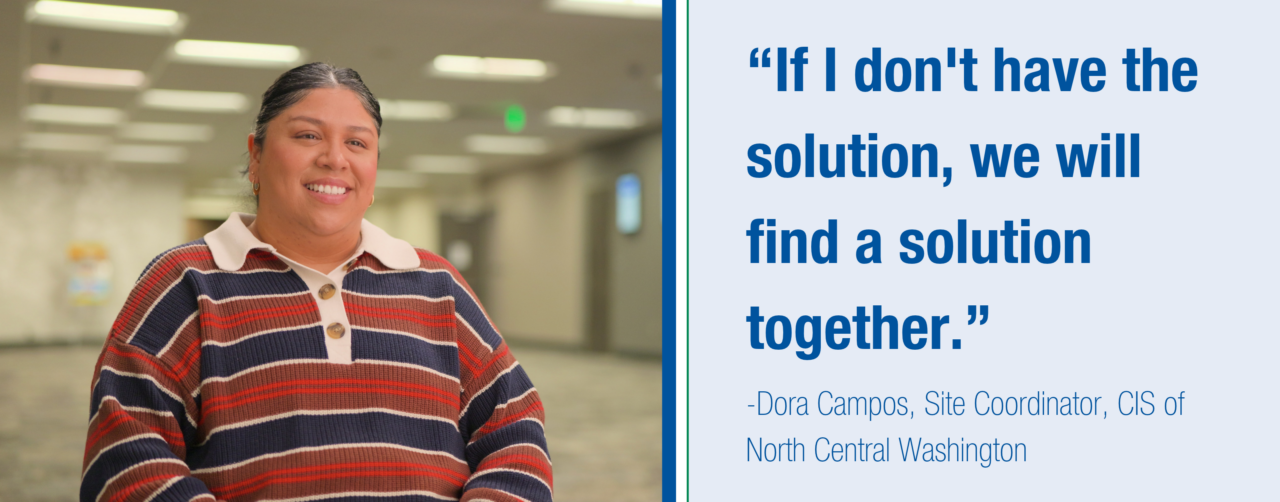
“I don’t have to explain what my role is because they already know,” said Dora Campos, a Site Coordinator with CIS of North Central Washington. “It just feels really comforting.”
Between sessions and during organized connection activities, returning attendees caught up with colleagues they had met at previous conferences, while newer staff began building relationships beyond their own affiliates.
Collin Byers, a Site Coordinator with CIS of Puyallup, enjoyed speaking with colleagues serving schools very different from his own. During one activity, he met someone working in a small, rural K–12 school with approximately 430 students.
“Her day to day is going to look so much different than mine,” he shared.
Collin was particularly interested in comparing attendance strategies with other Site Coordinators, learning which approaches had worked in their schools and which had been less successful.
Nikki Ziegler, CISWA’s Program and Impact Director and a former Site Coordinator, remembers knowing very little about the statewide network when she first began working in a school. She wanted this year’s conference to help staff build relationships with people they could turn to throughout the school year, especially when they encounter a challenge that another school may have already addressed.
In the post-conference survey, 72 of 76 respondents agreed or strongly agreed that Better Together helped them build or strengthen relationships within their own affiliates. Another 57 respondents agreed or strongly agreed that the conference strengthened their connections with staff from other affiliates.
“You might be alone in your building most of the time, but you have your affiliate around you, and then you also have this network of people across the state that are doing the same thing.”
Nikki Ziegler, Program and Impact Director & Former Site Coordinator
Learning Shaped by the Needs of Students
The conference program focused on challenges CIS staff are navigating in schools right now, including chronic absenteeism, student mental health, belonging, school partnerships, and supporting LGBTQ+ and undocumented students. Mainstage presentations, breakout workshops, and grade-level discussions gave attendees opportunities to explore those topics from different perspectives.
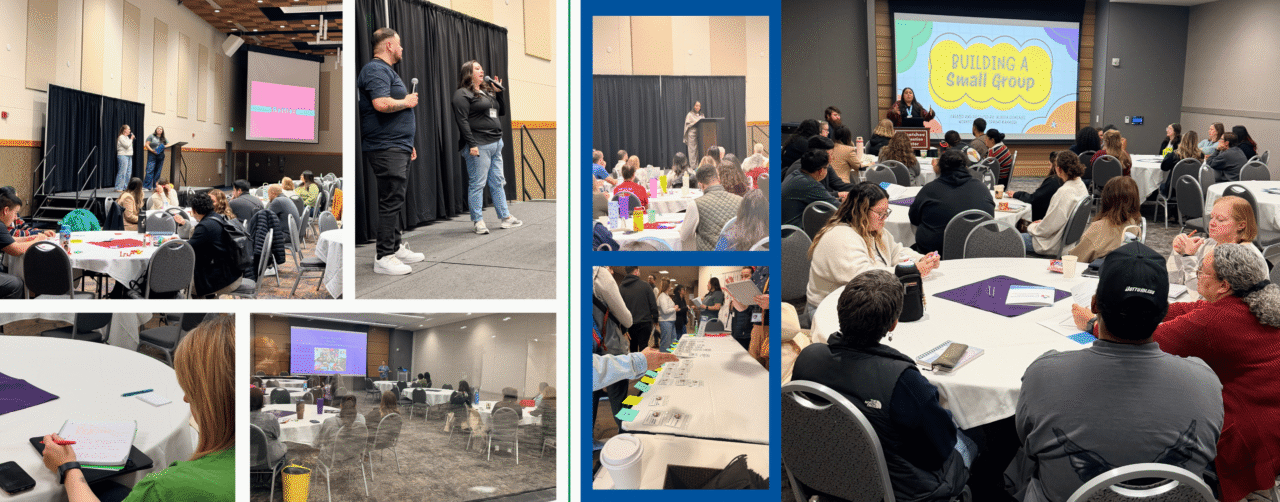
Melinda Herrera, Executive Director of CIS of Whatcom-Skagit, led a mainstage session exploring the five basic principles of the CIS model, revisiting the relationship-building and student support practices that guide CIS staff across Washington.
Policy and advocacy sessions connected the experiences of school-based staff with CISWA’s statewide advocacy work. The State Office team discussed how Site Coordinators can share firsthand accounts of the challenges students face and help policymakers understand the resources schools and families need.
During the Policy and Advocacy Workshop, attendees explored the Site Plan Visit Toolkit, which provides guidance for preparing visits and engaging policymakers in conversations about student needs.
One attendee appreciated the resource, sharing that it helped them recognize “how important it is to have a plan and be intentional with these visits.”
Keynote speaker Casey Jackson, a longtime partner in CISWA’s professional development work, led a session on Motivational Interviewing.
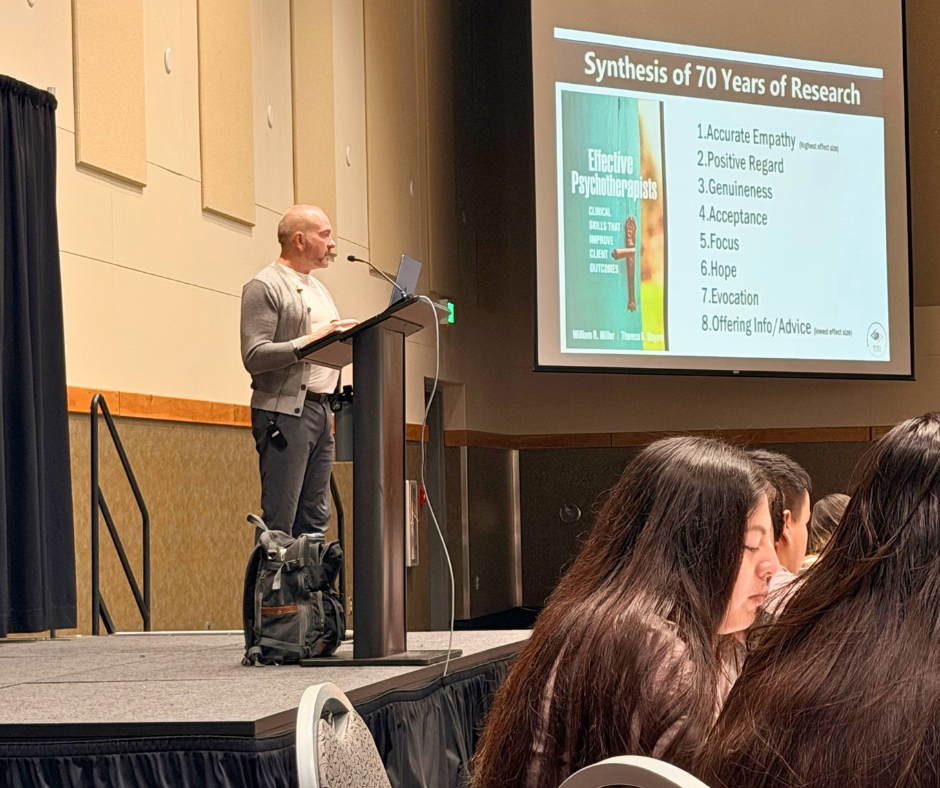
Keynote speaker Casey Jackson, a longtime partner in CISWA’s professional development work, led a session on Motivational Interviewing.
Jackson explored how stress and brain science influence behavior and communication, along with techniques staff can use to help students identify their own motivations and goals. The approach builds on the trusting relationships CIS Site Coordinators develop with students throughout the school year.
Motivational Interviewing was among the most frequently mentioned highlights in the post-conference survey, with several attendees requesting additional training.
Breakout workshops offered more opportunities to practice new skills and gather resources. Sessions such as Improving Attendance and the Feeling of Belonging, Building Relationships with School Staff and Admin, and Small Group Workshop: From Idea to Launch focused on approaches staff could adapt for their students and schools.
One respondent shared: “The breakout sessions were very helpful! Seeing that everyone could relate on similar struggles and then work through them together helped me visualize and plan for my return to my site.”
Taking New Ideas Back to Students
For Adolfo “Bofo” Velo, a Site Coordinator serving the Waterville community where he once received CIS support as a student, the conference offered new ideas for helping young people plan for their futures.
During a workshop on attendance, Adolfo learned about an activity that asks students to research the lives they hope to build after graduation. Students explore potential careers, educational requirements, housing costs, and other living expenses before presenting their plans to school administrators.
“I think that’s a very cool idea, because students take a lead and they get to decide their life,” Adolfo shared. He was eager to bring the activity back to Waterville and adapt it for his students.
For Adolfo, helping students plan for life after graduation is personal. During his senior year at Waterville, he hadn’t planned on attending college until he met Edgar Salamanca, then a CIS Site Coordinator and now a Program Director. Edgar helped him complete financial aid and scholarship applications and explore opportunities beyond high school.
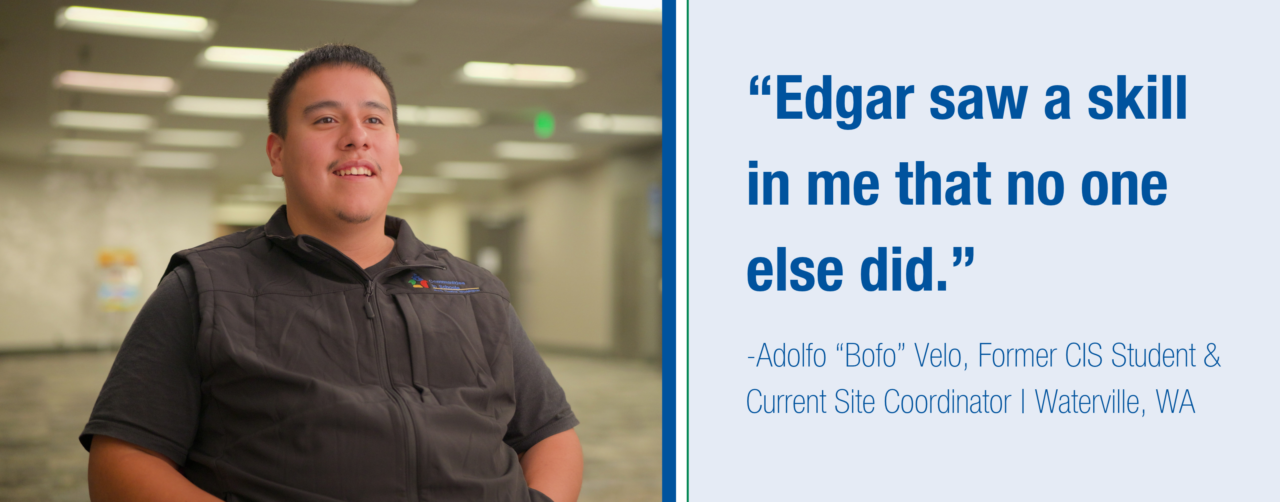
Now, Adolfo works with students in the same community where Edgar once supported him. At Better Together, he found another way to help young people explore their goals and consider the steps they can take toward their futures.
Dora Campos came to Better Together with a particular challenge on her mind. The previous school year, she had encountered a situation involving students’ mental health that left her unsure how best to help.
During a breakout workshop, she learned about Club 7, a group approach that can fit into sessions as short as 15 minutes. The format caught her attention because it could offer additional mental health support without requiring lengthy sessions during the school day.
Dora planned to follow up with the presenter to learn more about introducing Club 7 at her middle school.
Other attendees described plans to introduce new student group activities, use strategies from the Motivational Interviewing keynote, and share resources gathered during grade-level discussions with their school teams.
Supporting the People Who Show Up Every Day
For CIS Site Coordinators, leaving school for professional development can be difficult. Students and families may rely on them for daily check-ins, help accessing resources, and support navigating challenges that cannot always wait.
Taylor Early, a Site Coordinator with CIS of Northeast Washington, spoke about how hard it can be to step away from her students, even for a short time. But she also knows that taking time to learn and connect with colleagues helps her return better prepared to support them.
If I can come back even a little bit refreshed, even with one new idea, I feel like that’s worth it for my kids.”
Her experience is familiar to many school-based professionals who spend their days responding to others’ needs and have limited opportunities to focus on their own professional growth.
Throughout the school year, CISWA’s State Office supports affiliates through professional development, technical assistance, policy advocacy, and resource sharing. Better Together gives staff an opportunity to build on that support in person, ask questions directly, and connect with colleagues they can continue learning from after returning to their schools.
35 Years of Showing Up, Together
The 2026 conference took place as CISWA celebrates 35 years of supporting Washington students and families. Across those decades, Site Coordinators have helped students navigate challenges inside and outside the classroom, working alongside educators, families, and community partners to connect young people with the support they need.
Dr. Gwynth R. Nelson, CISWA CEO and State Executive Director, spoke about visiting schools and seeing the work Site Coordinators do firsthand. She described staff putting together food boxes for families, managing individualized student caseloads, and building relationships with young people throughout their schools.
Site Coordinators, she said, “are the heartbeat of this organization.”
Nelson also spoke about the responsibility of supporting the adults who do this work. She wants Site Coordinators to have access to resources, opportunities to learn from their peers, and time to care for their own well-being while managing the demands of their roles.
As the conference came to a close, attendees headed back to schools across Washington with new resources to explore, activities to try, and colleagues they could call when challenges arise. The conversations started in Wenatchee will continue as staff put those ideas into practice and share what they learn with one another.
Thank You to Our Community of Support
The 2026 Better Together Conference was made possible by CISWA staff, presenters, affiliate leaders, and the partners who helped bring school-based professionals from across Washington together.
We are grateful to our conference sponsors, including Cambia, BECU, and U.S. Bank, whose support helped make the training, workshops, and opportunities for statewide collaboration possible.
To the Site Coordinators, Program Managers, and CIS professionals who joined us in Wenatchee: thank you for sharing your experiences, learning from your colleagues, and bringing new ideas back to the students and families you serve.
Interested in supporting the people who show up for Washington students? Learn more about partnering with Communities In Schools of Washington to help provide professional development, resources, and statewide learning opportunities for CIS staff.