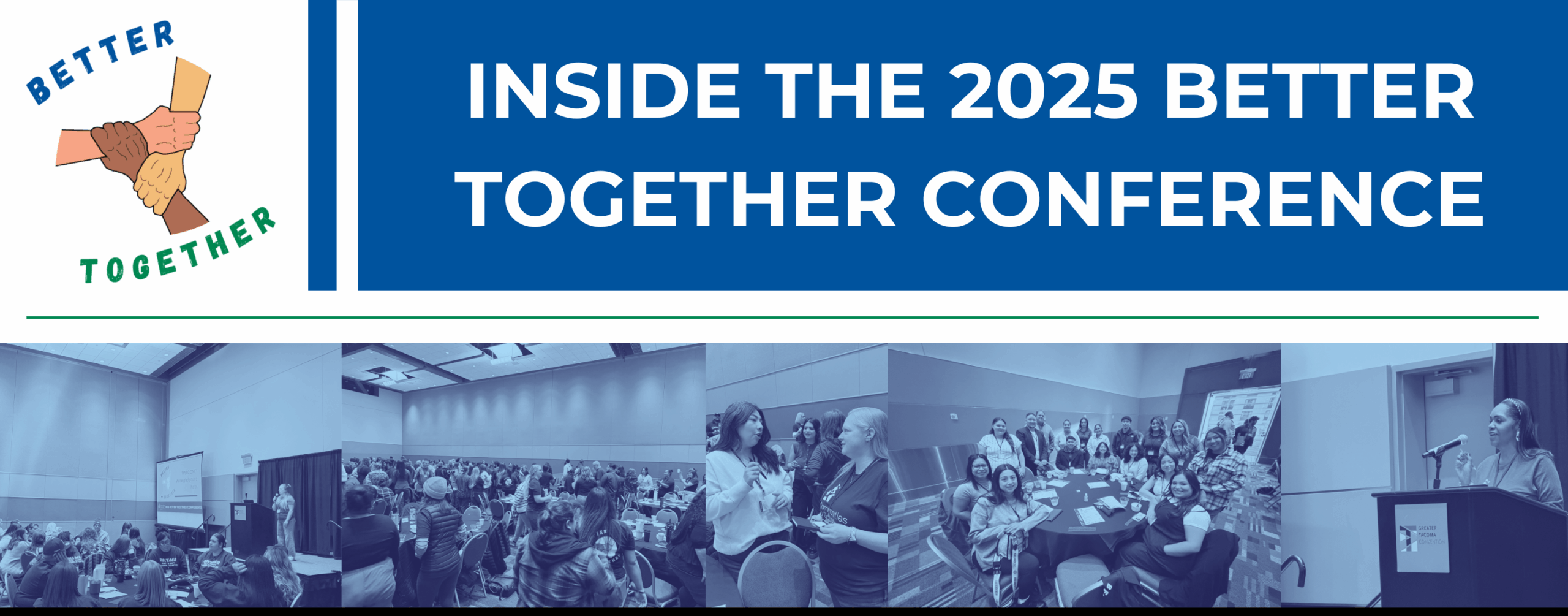
Inside the 2025 Better Together Conference: Connection, Creativity, and Community in Tacoma
Posted on
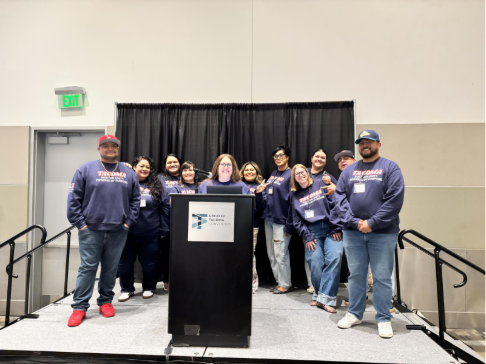
If you felt a buzz in Tacoma this October, it wasn’t the fall chill—it was 200+ program managers and site coordinators from across the CIS WA network coming together for two days of connection, collaboration and community. The 2025 Better Together Conference delivered big energy, big ideas, and big reminders of why our work matters. Whether you came to learn, recharge, or simply be surrounded by people who get it… this year’s conference proved one thing loud and clear: we’re truly better together.
“Such a great conference! I learned so much and already have new ideas to bring back to my site.”
Creativity Leads the Way
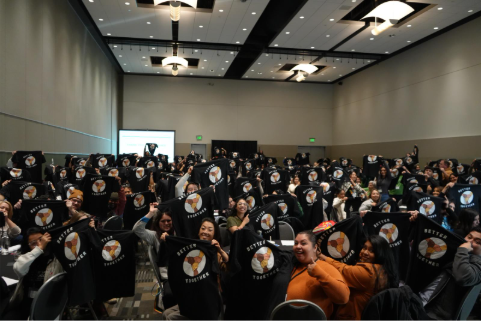
In the year leading up the event, CISWA launched a statewide t-shirt design competition, inviting affiliates to response to a central question: What does it look like to be better together?
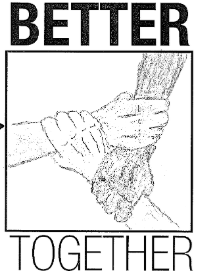
The winning submission came from Chris Yates of Mt. Adams Middle School, part of the CIS of Central WA affiliate, whose concept—built around the phrase “the lights will never be too bright” —was adapted into an illustration featured on the back of this year’s conference t-shirt and throughout event materials. The design became a recurring visual thread across the conference, signaling a theme of optimism and collective strength.
A Welcome Rooted in Community
The conference opened with remarks from Emily Slagle, Executive Director of CIS of Tacoma, who encouraged attendees to reflect on what it means to “show up” for students and communities.
“Here in Tacoma, we don’t just talk about showing up—we live it. Unity isn’t a buzzword, it’s our heartbeat. And when one of us wins, we will rise.”
Emily Slagle, Executive Director of CIS of Tacoma
Her message framed the event’s emphasis on shared purpose and the value of working together across district regions.
Policy and Advocacy at the Forefront
One of the mainstage sessions on Day 1 featured Erica Limón-Trefielo, who leads statewide policy and advocacy work for CISWA. Limón-Trefielo outlined the organization’s legislative priorities (basic needs, mental and behavioral health, and housing stability), while also inviting attendees to help identify emerging issues affecting students.
Conference attendees weighed in on barriers such as food insecurity, unreliable transportation, fear of government or immigration enforcement, and the rising cost of living. Attendees also discussed areas where additional support may be needed, including after-school programming, legal resources, gun safety and gang-related pressures, and mental health access.
Limón-Trefielo emphasized the importance of helping lawmakers understand the nuances behind chronic absenteeism, trauma-informed care, cultural trauma, and the impact of inconsistent funding on student support services. Her session underscored the broader policy context in which school-based supports operate and the need for continued advocacy.
Breakout Sessions Across the Network
Across the two-day event, attendees had the opportunity to participate in three breakout sessions on over 14 topics, designed and led by practitioners, and content experts. The sessions spanned a wide range of topics, including:
Navigating vicarious trauma through polyvagal-informed approaches
Supporting migrant and undocumented students
Violence prevention and supporting youth affected by gang involvement and systems
“The presenters were amazing—so personable, hilarious, and validating.”
The mix of sessions reflected both the everyday realities staff encounter and the specialized knowledge needed to support students facing complex barriers. Hallway conversations, resource sharing, and informal networking continued between sessions, reinforcing the collaborative spirit of the gathering.
“Very informative — I learned multiple new things I can put into practice immediately.”
A Keynote on Rest and Resilience
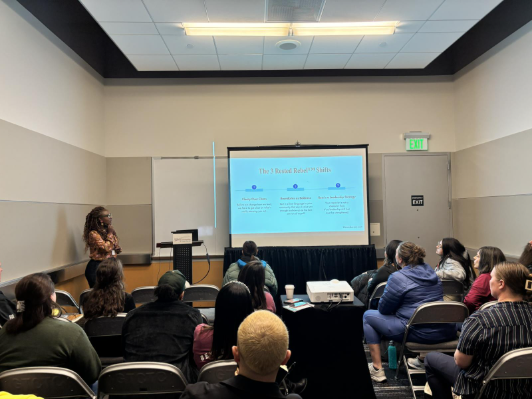
Day 2 featured keynote speaker Kibi Anderson, an Emmy Award-winning storyteller, author, and executive coach. Anderson delivered a session titled “Becoming a Rested Rebel,” urging attendees to reconsider the pace and expectations that shape their professional lives.
Anderson argued that the demands placed on educators and youth-serving professionals often normalize unsustainable rhythms. She outlined a three-part framework 1) Clarity over Chaos 2) Boundaries as Boldness 3) and Rest as a Leadership Strategy. The framework encourages attendees to view rest as an essential component of effective leadership rather than a luxury.
Her message centered on the idea of seeking harmony rather than balance, and she offered practical strategies to incorporate restorative “micro-rests” into the workday, such as a brief outdoor walk, reading, or creative hobbies.
“This was an incredible presentation and spot on for me and our team. Staff members already used her tip to support an overwhelmed principal.”
Why This Conference Matters
Ultimately, the Better Together Conference is more than a professional gathering, it is an investment in the people who ensure Washington’s students have stability, connection, and opportunity. Program managers and site coordinators are often the first adults a student turns to when they’re hungry, housing feels uncertain, or school becomes overwhelming. Strengthening their skills and relationships strengthens the safety net that so many young people rely on.
“I’m already excited for next year — the conference was seriously fantastic. Staff shared SO many positive takeaways.”
For sponsors, organizations and supporters who believe in the mission, the conference illustrates what it takes to keep these supports strong. It brings visibility to the depth of need across communities, the complexity of challenges students face, and the dedication required to meet those challenges with dignity and care. It also highlights the power of equipping frontline staff with the tools, training, and connections that help them respond effectively.
When supporters make it possible for CIS staff to gather, learn, and innovate together, the impact reaches far beyond the conference itself. It reaches classrooms where a student stays engaged because someone notices change. It reaches families who access resources they didn’t know existed. It reaches entire school communities that feel more connected, more responsive, and more hopeful.
In that sense, the Better Together Conference serves as a reminder: when we strengthen the network surrounding students, we strengthen the possibilities available to them. And every individual who stands behind their effort helps shape what those possibilities can be.
The conference was made possible through sponsorship from BECU, Cambia, WellPoint, Microsoft, and Virginia Mason Franciscan Health whose support helped bring statewide staff together at a critical time for student and family needs.